
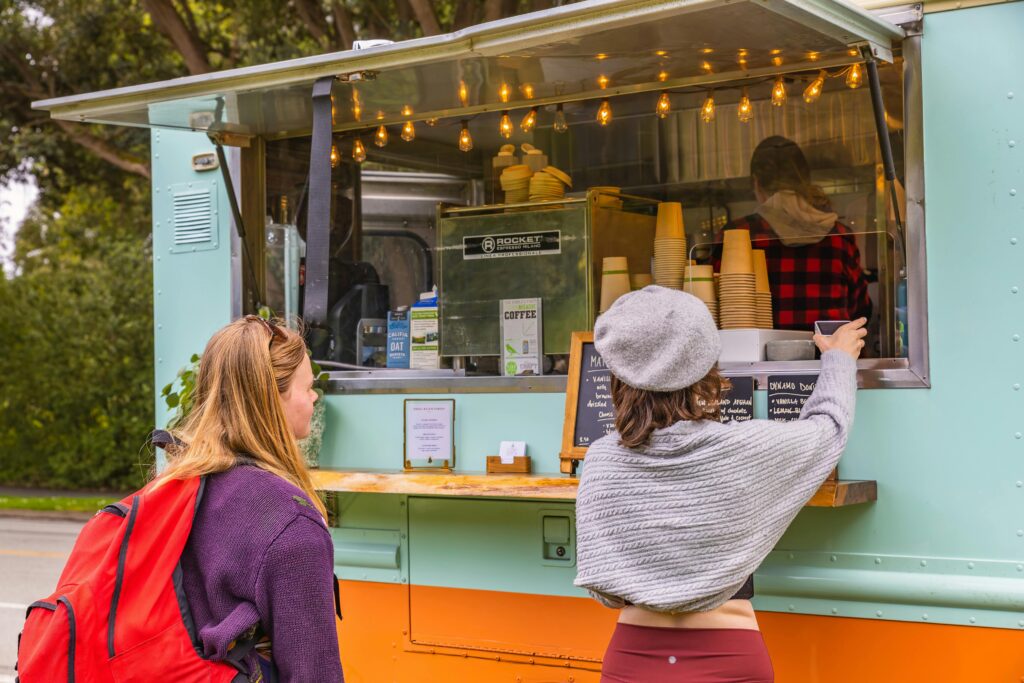
In an era dominated by e-commerce, pop-up shops have reemerged as a surprisingly powerful tool for brands seeking to create memorable, in-person experiences. While online marketing channels continue to provide scale and convenience, temporary retail spaces offer something digital ads can’t: personal connection, immediate feedback, and immersive engagement.
This article will examine how pop-up shops can completely reinvent your customer acquisition strategy to attract, engage, and retain buyers in new and more meaningful ways.
What Is Client Acquisition?
Client acquisition is the process of identifying, attracting, and converting potential customers into paying clients. It’s one of the most crucial elements of business growth because it directly impacts revenue and market share. While marketing often focuses on creating awareness, acquisition goes a step further; it’s about turning that awareness into measurable action.
A strong client acquisition plan may include a combination of digital and physical strategies, from paid advertising and social media campaigns to in-person events and referral programs. The goal is to meet prospects where they are and guide them through a journey that builds trust, provides value, and ultimately leads to purchase.
The Power of Experiential Retail
Pop-up shops are more than short-term retail experiments; they’re experiential marketing platforms. They allow businesses to establish emotional connections by providing customers with tangible items to touch, see, and feel. In an era when most consumers are bombarded with digital noise, these limited-time experiences truly stand out.
A pop-up shop transforms shopping into a storytelling experience. The setting, product displays, and even interactions with staff all work together to create an immersive brand experience. This engagement leads to deeper trust. When customers remember how a brand made them feel, they’re far more likely to convert and share their experiences with others.
Why Pop-Up Shops Work in a Digital World
The irony is that pop-up shops thrive because of digital saturation. Consumers have grown used to scrolling past countless ads, emails, and social posts. A pop-up event breaks through that monotony. It encourages people to step away from screens and experience a brand in person.
These physical activations provide companies with the opportunity to establish a human connection while still leveraging digital tools. QR codes, live social media streams, and mobile payment options bridge the gap between online and offline experiences.
Creating Urgency and Exclusivity
It’s no secret that scarcity and exclusivity have always driven client demand. Pop-up shops naturally tap into both psychological triggers. Their limited-time nature makes them exciting—customers recognize they must act fast if they want to participate.
This urgency also contributes to the fear of missing out (FOMO), which can increase traffic and social engagement. When people know that your brand is only available in a location for a short period, they are motivated to visit, make a purchase, and share their experience online.
A Low-Risk Way to Test New Markets
One practical advantage of pop-up shops is that they allow businesses to test new locations, audiences, or products without committing to long-term leases or high overhead costs. This makes them ideal for startups and growing brands that want to experiment strategically.
For example, a company can open a pop-up in a city where it wants to expand and use the event to gather real-time data on customer preferences, sales performance, and demographic patterns. This insight can guide decisions about future retail investments and help refine your overall customer acquisition strategy based on tangible results rather than assumptions.
Enhancing Brand Visibility Through Experience
Pop-up shops serve as highly visual marketing moments. They generate excitement among shoppers and on social media. Well-designed pop-up spaces encourage visitors to take photos, share videos, and tag the brand—creating a steady stream of user-generated content.
Every share, post, and tag acts as a micro-endorsement, extending your brand visibility beyond the walls of the temporary space. This organic amplification often outperforms paid advertising because it comes from authentic customer enthusiasm. For brands seeking more visibility and credibility, this mix of experiential and digital exposure is invaluable.
Turning Engagement Into Data-Driven Insights
Most pop-up shops today can function as sophisticated data collection tools. By integrating technology such as contactless payment systems, customer surveys, or interactive kiosks, businesses can capture insights on who attends, what they buy, and how they engage.
This data can then be used to refine future marketing campaigns or improve your targeting accuracy. For instance, if you discover that a certain demographic responds well to your in-person events, you can design your online advertising to reach similar audiences.
Building Trust Through Face-to-Face Connection
Pop-up shops allow brands to build it faster by offering authentic, human-centered interactions. Whether customers are greeted by enthusiastic brand ambassadors or get to see a live demonstration of a product, that direct connection builds credibility.
In-person experiences also give customers the opportunity to ask questions and receive personalized attention. This engagement can be particularly effective for high-consideration purchases, where trust and reassurance are key to conversion. In many cases, a single meaningful interaction at a pop-up event can achieve what weeks of digital remarketing cannot.
Collaborating With Influencers and Local Businesses
Partnerships can dramatically amplify the impact of a pop-up shop.
Brands can collaborate with local businesses, artists, or influencers to create unique experiences that draw diverse audiences. For example, a skincare company might partner with a wellness studio or local café to create a themed pop-up event.
These collaborations not only boost credibility but also allow for shared promotion. Local partners bring in foot traffic, while influencers help extend reach online. Together, they create an ecosystem of visibility that supports your customer acquisition goals from multiple angles.
Leveraging Storytelling for Emotional Connection
Every great pop-up shop tells a story. It could be the story of your brand’s origin, a new product launch, or a larger mission. The key is to design the event in a way that communicates your narrative clearly through visuals, interactions, and even sound.
For example, a sustainable fashion brand might build its pop-up entirely from recycled materials, demonstrating its commitment to eco-conscious values. Customers who resonate with that story are more likely to become advocates for the brand. Storytelling transforms a one-time visit into an emotional memory, increasing the likelihood of repeat engagement and referrals.
Integrating Digital Marketing With Physical Experience
Pop-up shops work best when they are supported by a strong digital marketing strategy. Before starting an event, brands can build anticipation through targeted social media ads, email campaigns, and influencer promotions. During the event, they can encourage attendees to share experiences online using branded hashtags or interactive photo booths.
After the event, follow-up campaigns can help sustain momentum. Email thank-you notes, exclusive discounts, and social content recaps remind customers of their experience and keep them engaged. This cycle of pre-event buzz, live engagement, and post-event follow-up ensures that your pop-up continues to deliver long after it closes its doors.
Measuring Success and ROI
Because pop-up shops combine physical and digital elements, measuring success requires both quantitative and qualitative metrics. Some useful performance indicators include:
- Foot traffic: The number of visitors to your location.
- Conversion rate: The percentage of visitors who made a purchase.
- Customer engagement: Interactions via social media, surveys, or live demos.
- Brand mentions and hashtags: Volume of online discussions generated by the event.
- Email sign-ups or leads: Contacts gathered for future campaigns.
Evaluating these metrics helps determine how effectively the event contributed to your broader customer acquisition strategy. Beyond immediate sales, the goal is to assess long-term value—such as increased brand awareness, lead generation, or enhanced customer loyalty.
Adapting to Different Industries
Pop-up shops aren’t limited to fashion or retail brands. Technology companies, food startups, and even service providers are finding creative ways to use temporary activations. A tech firm, for instance, might set up an interactive demo station at a busy mall to showcase new software. A coffee subscription service might create a tasting lounge to attract potential subscribers.
Whether it’s gathering leads, testing products, or deepening community engagement, pop-up shops offer a flexible framework that can align with virtually any marketing objective.
Sustainability and Community Impact
Many brands are transforming temporary retail spaces into eco-friendly experiences by utilizing recycled materials, supporting local vendors, and minimizing waste through thoughtful design.
Such a commitment resonates with modern consumers, particularly younger generations who value authenticity and social responsibility. By incorporating sustainable practices, your brand not only reinforces its ethical stance but also attracts like-minded customers who share your values—further strengthening your customer acquisition potential.
How to Plan an Effective Pop-Up Strategy
Starting a successful pop-up shop requires thoughtful planning and clear objectives.
- Define Your Goal: Determine whether you aim to increase sales, generate leads, or enhance brand awareness.
- Choose the Right Location: Pick an area that aligns with your target demographic and offers good visibility.
- Design an Experience: Focus on creating an environment that tells your brand’s story and encourages interaction.
- Promote Strategically: Utilize social media, influencers, and PR to generate anticipation leading up to the opening.
- Collect Data: Track visitors, purchases, and engagement to analyze results.
- Follow Up: Keep in touch with attendees through post-event communication to convert them into long-term customers.
With these steps in mind, your pop-up shop can function not just as a marketing event but as a fully integrated component of your customer acquisition funnel.
Main Takeaway
In a marketplace where attention spans are short and digital ads are easily ignored, pop-up shops offer a tangible way to stand out and create emotional resonance. By aligning your efforts with your client acquisition strategies, you can turn temporary retail moments into lasting relationships. Whether you’re a new brand testing the waters or an established company looking to reenergize engagement, pop-up shops give a path toward meaningful growth.
Let’s Reinvent Yours
At Black Diamond Management, we help businesses transform their customer engagement models through strategic, data-driven pop-up activations. Our team designs experiences that convert interest into results. From concept creation and site selection to on-the-ground execution and performance analytics, we ensure every detail supports your goals.
Partner with us to turn your next pop-up into a powerful customer acquisition engine!