
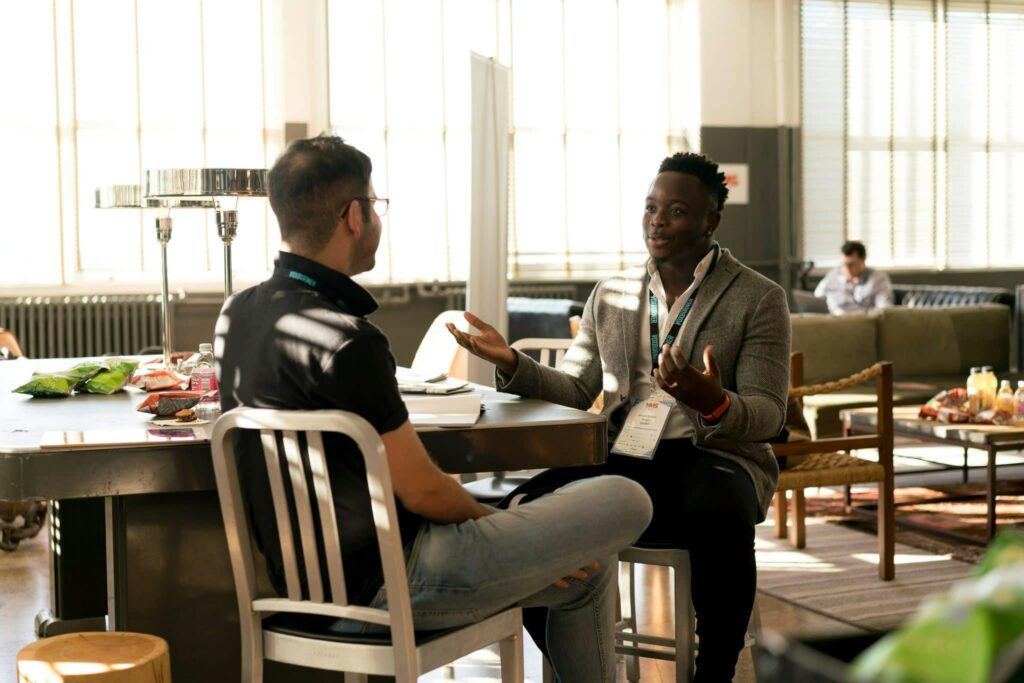
In a world where automation, analytics, and AI are now dominating marketing conversations, it’s easy to forget one timeless truth: people want authentic human connection.
No matter how advanced or complex technology becomes, emotional engagement remains the driving force behind brand loyalty, trust, and influence. This principle is especially true when it comes to an event marketing strategy. Some of the successful events don’t just showcase a product or service; they connect humans to a brand on a deeper, more meaningful level.
What Is Event Marketing?
Event marketing is an approach that uses live, virtual, or hybrid experiences to engage audiences, promote brand messages, and create lasting emotional impact. Unlike traditional advertising, event marketing centers around direct interaction. It gives audiences the opportunity to connect with a brand through shared experiences—whether it’s a product demonstration, corporate seminar, trade exhibition, or community event.
At its core, event marketing is about creating moments that matter. It transforms a company’s message from words on a screen into something tangible and memorable. When people can see, hear, and feel a brand in action, they form stronger emotional associations with it.
This is why many of the world’s most successful brands invest heavily in events; they understand that no digital campaign can replace the power of real human engagement.
The Shift From Transactions to Connections
For decades, marketing revolved around persuasion—convincing consumers to buy based on features, benefits, and promotions. But now, audiences are no longer satisfied with one-way communication. They seek experiences that make them feel seen, heard, and valued. This shift marks a new era in event marketing: one that prioritizes connection over conversion.
Events naturally lend themselves to relationship-building. Whether it’s a trade show, product launch, or brand activation, face-to-face engagement provides an authenticity that digital advertising can rarely replicate or duplicate. Attendees remember how an event made them feel far longer than they remember the details of a sales pitch.
Why Human Connection Outperforms Digital Efficiency
Digital tools are powerful; they streamline logistics, gather insights, and amplify reach. Yet, overreliance on automation can make brand interactions feel impersonal. Human connection adds the missing ingredient: emotion. Emotion drives memory, and memory drives decisions.
Consider this: a personalized conversation with a brand representative often influences purchasing decisions more than a dozen online ads. People buy from people they trust. Trust is built through empathy, listening, and shared experiences. When attendees sense authenticity, they associate that feeling with the brand itself, turning a fleeting moment into long-term loyalty.
The Psychology Behind Connection
To understand why human connection is such a powerful marketing force, it helps to explore the psychology behind it. In fact, face-to-face interaction releases oxytocin, the “bonding hormone” that fosters trust and empathy. When attendees engage with real people—through eye contact, laughter, or meaningful dialogue—their brains register safety and belonging.
This emotional response can’t be replicated through screens or automation alone. It explains why live events, even in an increasingly virtual world, continue to thrive. Humans are social beings; we rely on connections to form impressions and make decisions.
A successful event marketing strategy leverages this psychology to transform attendees from passive spectators into active participants in a brand’s story.
Emotional Engagement Builds Lasting Brand Loyalty
Loyalty isn’t a product of repeated exposure; it’s a result of emotional resonance. When a brand evokes genuine emotion—whether excitement, inspiration, or gratitude—it leaves a lasting impression that transcends price or convenience. Emotional connections transform customers into advocates who willingly share their experiences with others.
At events, brands have the opportunity to cultivate that connection through storytelling, personalization, and interaction. A brand that invites attendees to participate, rather than simply observe, creates a sense of belonging. That feeling translates into trust and encourages loyalty.
The Role of Storytelling in Creating Connection
Storytelling is the bridge between information and emotion. When used effectively, stories humanize a brand and give meaning to its mission. Rather than listing statistics or features, brands can share real-world narratives that demonstrate impact, values, and vision.
For instance, an environmental organization might invite attendees to hear firsthand from a community that has been affected by its conservation work. A technology brand might share customer success stories that showcase innovation, improving everyday lives. These narratives transform brands from abstract entities into relatable characters within a shared human story.
Every successful event marketing strategy should incorporate keynote speeches, multimedia presentations, or experiential displays. The goal isn’t to entertain, but to connect truthfully.
How Personalization Enhances Human Interaction
One of the biggest challenges in event marketing is scale—reaching hundreds or thousands of attendees while maintaining a sense of intimacy. This is where personalization comes into play. By personalizing specific experiences to individual preferences, brands can show they value attendees as people, not just potential customers.
Personalization can come in the form of welcome messages, interactive event apps that remember user interests, or exclusive content tailored to attendee profiles. Even small gestures like remembering a returning guest’s name or preferences can make a difference. When attendees feel recognized, they’re more likely to engage deeply and positively with a brand.
The secret lies in balance. Data can inform personalization, but it should never replace genuine human interaction. Technology should enhance, not overshadow, the human touch.
Building Authentic Engagement Through Two-Way Conversations
True connection doesn’t happen through monologues. It requires continuous dialogue. Too often, brands treat events as stages for self-promotion rather than platforms for exchange. Shifting the focus from presentation to participation changes everything.
Encouraging questions, discussions, and feedback fosters a sense of collaboration. When attendees feel heard, they become co-creators of the event experience rather than passive observers. This interaction turns an event from a marketing exercise into a meaningful conversation between the brand and its audience.
Panel discussions, live Q&A sessions, and networking lounges can all serve as vehicles for authentic dialogue. The most memorable events are those that listen as much as they speak.
The Human Touch in Hybrid and Virtual Events
While in-person events remain unmatched for emotional connection, virtual and hybrid formats can still foster meaningful engagement when executed thoughtfully. The key is to replicate the sense of presence and authenticity through creative means.
Virtual breakout rooms, live chat networking, and real-time engagement tools facilitate organic connections among participants. Video introductions from team members, behind-the-scenes content, and personalized follow-ups after sessions add warmth to digital experiences.
Even in a virtual context, attendees respond to authenticity. They want to see real faces, hear real stories, and feel part of something bigger. A well-designed hybrid event marketing strategy recognizes that connection is all about emotional resonance.
Turning Data Into Connection, Not Just Insight
Data plays an integral role in refining marketing efforts, but its real value lies in how it’s used to build relationships. Too often, marketers collect data for metrics rather than meaning. A human-centered approach transforms numbers into narratives.
For example, attendee data can reveal behavioral patterns that inform better experiences, such as which sessions attracted the most engagement, which topics sparked emotional responses, or which conversations continued beyond the event. Using this information to enhance future events demonstrates that the brand listens and evolves—a powerful form of connection.
Ultimately, the goal isn’t to quantify interaction but to understand and improve it.
Training Event Teams to Prioritize Human Connection
The people who represent a brand at events are the face of connection. Training these teams to engage authentically can dramatically improve event outcomes. Empathy, active listening, and emotional intelligence are just as important as product knowledge.
Event staff should be empowered to build genuine relationships, not just deliver rehearsed messages. Encouraging them to share personal insights or stories can make conversations more natural and relatable. Whenever team members express any form of enthusiasm and authenticity, it sets the tone for the entire event experience.
Measuring the Impact of Human Connection
While human connection is intangible, its effects can be measured through attendee satisfaction, engagement levels, and post-event actions. Surveys, feedback forms, and social media analysis can offer valuable insights into emotional resonance.
Indicators of a strong connection include:
- Increased word-of-mouth referrals
- Higher social media interaction
- Greater content sharing after events
- Repeat attendance or loyalty sign-ups
These outcomes demonstrate not just interest but attachment—a sign that the event succeeded in forging meaningful relationships.
Bringing Humanity Back to Event Marketing
As marketing continues to evolve with technology, the brands that thrive will be those that keep people at the center of their strategies. Human connection is the foundation of influence. In every conversation, handshake, or shared experience, brands can create moments that matter.
A human-centered event marketing strategy transforms audiences into communities and transactions into relationships. It bridges the gap between message and meaning, reminding us that at the heart of every great campaign lies something profoundly simple: connection.
The Bottomline
In a marketplace defined by metrics and automation, human connection remains the ultimate differentiator. Every event is an opportunity to remind audiences that behind every brand are people who care. Algorithms, outsourced to AI or automated through systems, can’t replicate it. It’s built one interaction at a time—through empathy, presence, and authenticity.
Powered by People, for People.
Let our team at Black Diamond Management teach you how to market an event that doesn’t just attract attendees, but creates loyal brand advocates. We will help you design experiences that move beyond promotion and into connection. From strategy development to on-site execution, our approach focuses on the human element that makes every event memorable.
Contact us to turn your next event into a story worth sharing.